WHERE WE GIVE, WE BELONG
Reflections from the 10th East Africa Philanthropy Conference in Addis Ababa
By Margaret Wanja, Executive Director, Youth for Sustainable Development
Background
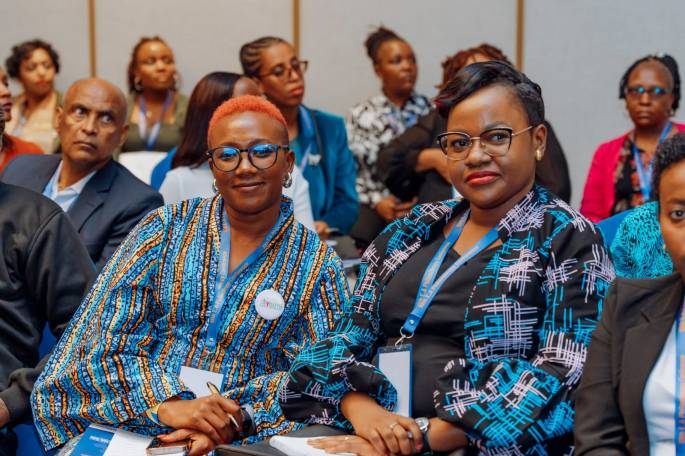
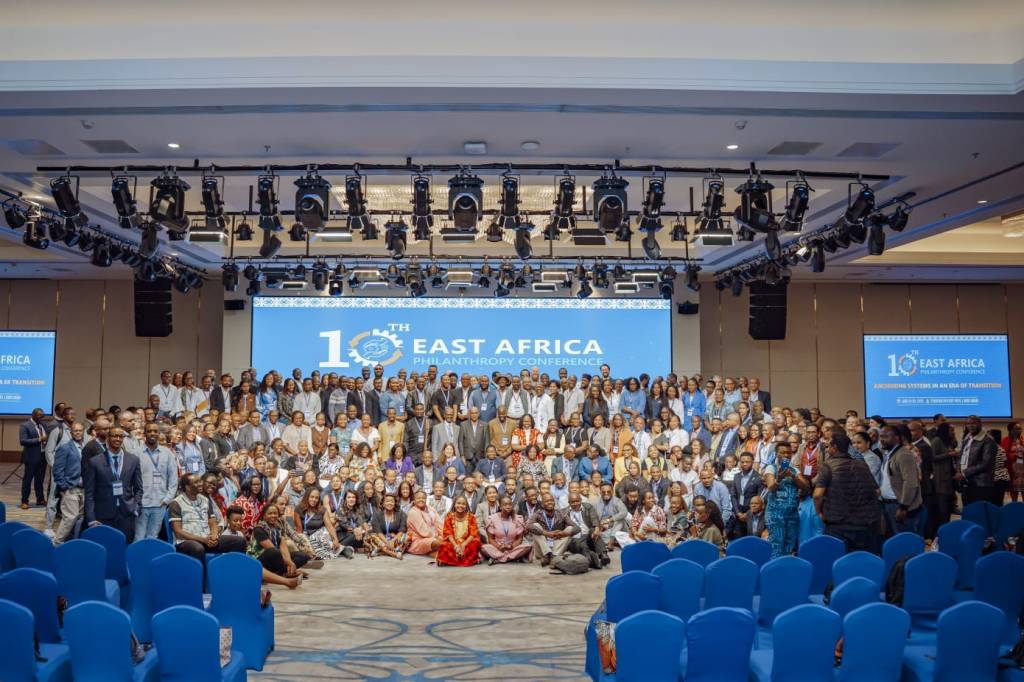
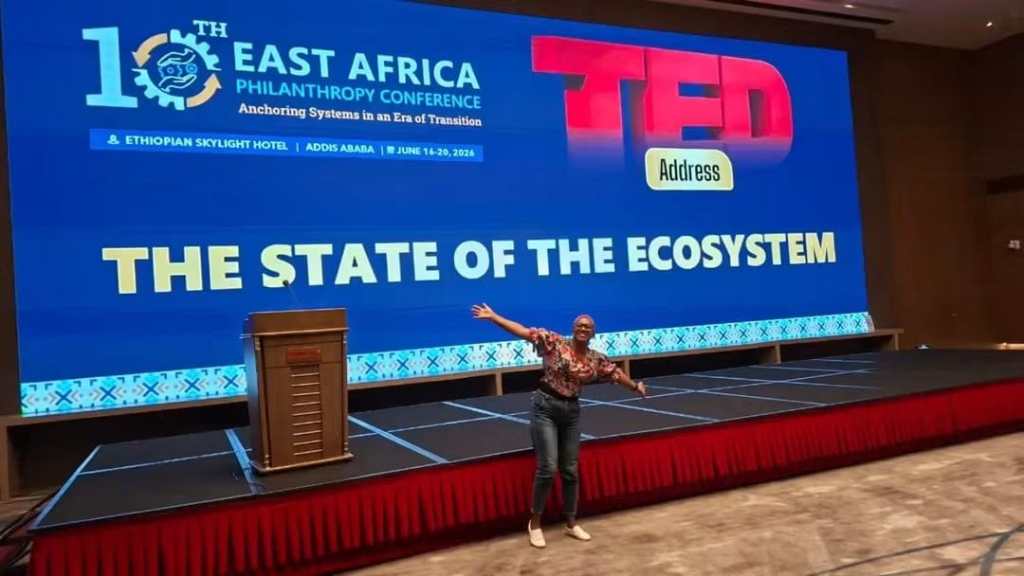
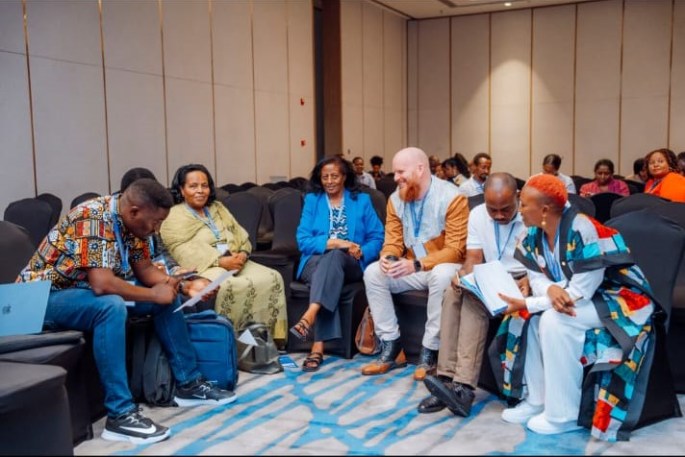
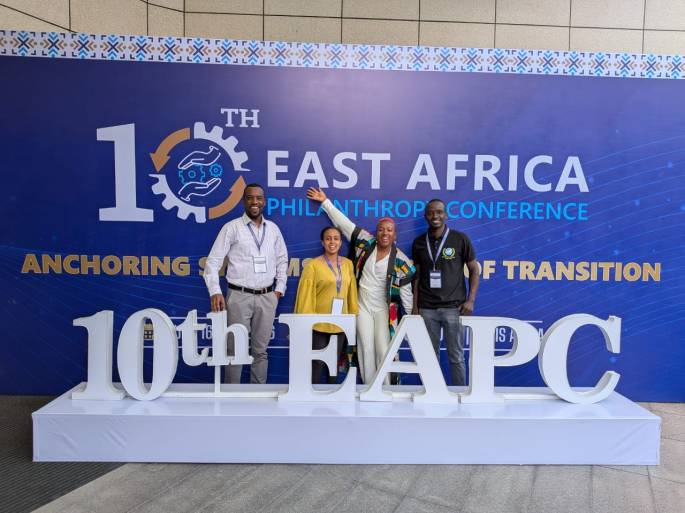
I travelled to Addis Ababa to attend the 10th East Africa Philanthropy Conference, held from 16th -20th June 2026, under the theme “Anchoring Systems in an Era of Transition.”
I went eager to learn, connect and understand how African organizations are navigating a changing
funding landscape.
But the learning began before I reached the conference room.
I travelled by road, and somewhere between leaving Kenya and arriving in Ethiopia, the journey itself became part of the experience.
There is something about travelling by road. You see the distance differently. You watch
landscapes change, pass through towns and communities, observe how people live and work, and notice the roads, markets, farms, buildings and everyday life.
It made me appreciate Kenya differently.We can become so familiar with home that we stop seeing it. The journey reminded me of the incredible diversity, beauty and potential within our own country.
Then, crossing into Ethiopia, I found myself looking at another country with fresh eyes. The landscapes, language, architecture and way of life were different, yet there were also familiar
things: people working, trading, travelling, raising families and building their lives.
The road reminded me that Africa is both deeply diverse and remarkably connected.
By the time I reached Addis, I was already thinking differently about the meaning of place.
WE HAVE ALWAYS GIVEN
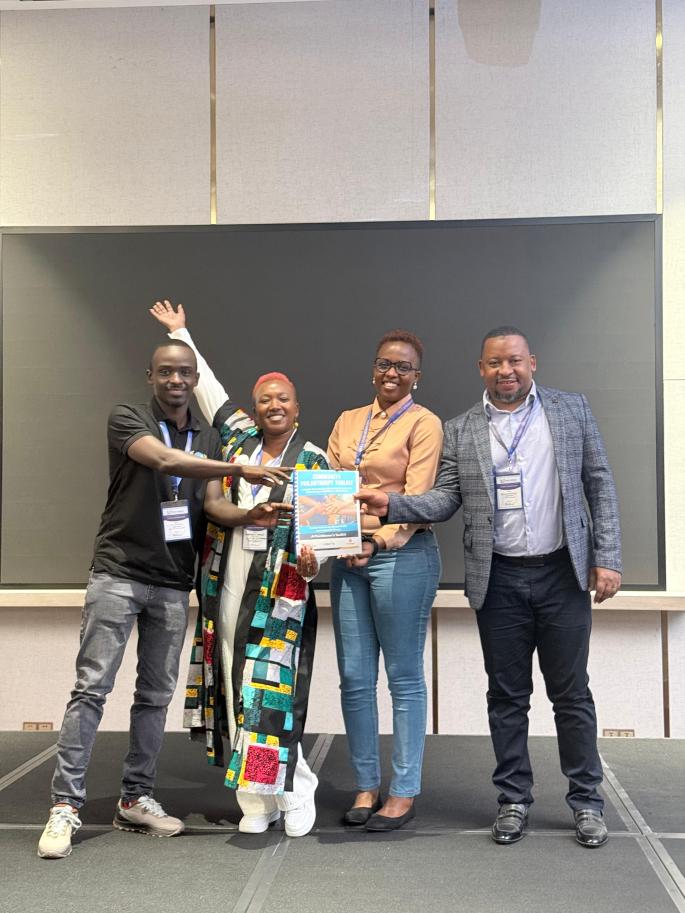
One of the highlights of the conference was the launch of the Community Philanthropy Toolkit, developed by Firelight Foundation together with the East Africa Philanthropy Network and Lusoma Advisory Services.
Its premise was simple but powerful:
Communities should not be defined by what they lack, but by the assets, capacity and trust they already hold.
The idea immediately resonated with me.
Because Africans have always given.
We contribute when someone is sick or has lost a loved one. We support weddings and baby showers. Parents sacrifice to educate their children. We form chamas. Churches mobilize resources. Neighbors support neighbors. People give their time, skills and knowledge.
We give to build and support our communities. Yet we don’t always call it philanthropy.
The conference reminded me that collective giving is deeply embedded in our communities.
The challenge is how we translate that spirit into trusted institutions and structures that can sustain community-led development.
This made me ask:
If we already have a culture of giving, why aren’t we building stronger institutions with it?
Perhaps part of the answer is trust.
People need to see that their contributions matter. They need to trust the institutions they support.
And as international funding becomes increasingly uncertain, perhaps we need to look more deliberately at what already exists within our communities.
Because giving is not always money.
It can be time, skills, mentorship, a connection, a venue, equipment, an idea or simply opening a door for someone else.
The question is not always “What does this community need?”
Sometimes the better question is:
“What is already strong here, and how can we invest in it?”
A CITY WITH A MEMORY
My curiosity about Ethiopia also led me to think about Haile Selassie and the legacy of
leadership in Addis Ababa.
I was interested in him not simply as a historical figure, but as a leader who helped shape Ethiopia’s place in Africa.
Standing in a city with so much history made me think about a different kind of leadership:
What do we build today that will still matter to people tomorrow?
Africa Hall, inaugurated in 1961, later became the venue where the Charter establishing the Organization of African Unity was signed in 1963. Standing in that space and reflecting on that
history made me think about the scale of vision required to build institutions that serve generations.
The history is complex, as all history is, but one lesson stayed with me: leadership is also about building something bigger than yourself.
For Kenya, and especially for Machakos – the place I have called home, and contributed to youth development, for the past 10 years – this question matters.
Are we building institutions that young people can inherit?
Are we creating public spaces and cultural platforms that can outlive individual projects?
Are we investing in ideas that can grow beyond one generation?
Perhaps this is another dimension of sustainability: not simply sustaining what exists, but building something worth inheriting.
WHAT ADDIS MADE ME SEE DIFFERENTLY ABOUT HOME
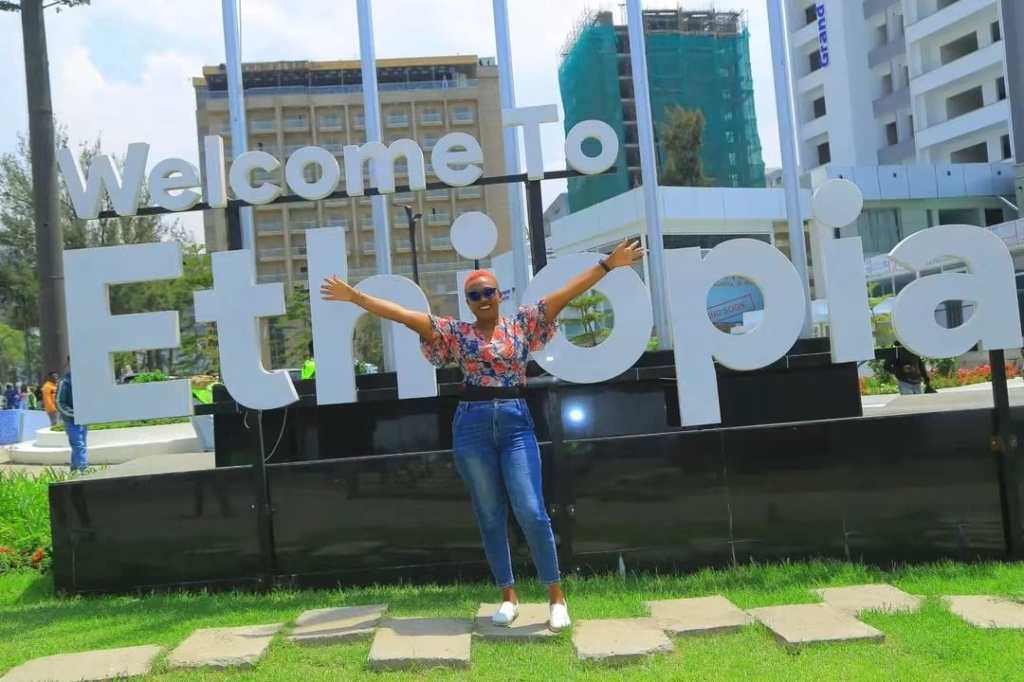
Then Addis taught me something I wasn’t expecting.
One evening, I heard drums in the distance while walking back to my hotel. I followed the sound and found myself in a cultural space filled with Ethiopian music and dance.
It became one of my favourite memories of the trip.
What struck me was how deeply Ethiopian culture was woven into everyday life.
The coffee.
The incense.
The language.
The food.
The music.
The dance.
The markets.
The people.
Culture did not feel like something preserved for a special occasion.
It was being lived, shared and experienced.
And young people were part of that story.
As a visitor, I also noticed that Addis Ababa was not only selling Ethiopian culture.
The city itself was part of the experience.
Clean spaces. Infrastructure. Street lighting. Public spaces. Planning. Movement. A sense of
order and safety.
These things matter because the environment we create can either open opportunities or
close them.
A safe and attractive public space can become a place for people to meet, perform and do business.
Good infrastructure makes it easier for people to move, trade and explore. A vibrant cultural environment creates opportunities for artists, photographers, filmmakers, musicians, food entrepreneurs, tour guides and other young creatives. And suddenly, I was thinking about Kenya.
WHAT ARE WE ALREADY SITTING ON?
Kenya has enormous cultural and creative wealth.
From the coast to the highlands, from our cities to our rural communities, we have music, dance, food, fashion, art, wildlife, landscapes, history, traditions and stories.
But how intentionally are we investing in these assets?
What if local tourism became part of our youth empowerment agenda?
What if young people could earn from documenting our stories, creating cultural experiences, making films, performing, designing, cooking, guiding visitors or building businesses around local heritage?
And what if we also invested in the environments that make these opportunities possible – cleaner towns, safer streets, better lighting, attractive public spaces, accessible infrastructure and places where creativity and enterprise can thrive?
This is where my thoughts came back to Machakos, the place I have called home for the past
10 years.
What if we looked at Machakos not simply as a place where development programs are implemented, but as a place with its own assets, identity and experiences to offer?
What if we asked:
What do we have that the world should come to experience?
And perhaps an even more important question:
How can our young people be at the center of creating, preserving and earning from it?
We do not need to become Addis Ababa.
But perhaps we can learn from the way Addis made me look at my own home differently.
Every place has something to offer when it learns to recognize its own value. Vision, therefore, paints a picture of a generation of young individuals who are not just beneficiaries of positive change but are actively shaping and contributing to a better, more sustainable future for themselves and the broader society.
IT TAKES A COMMUNITY
The conference reinforced something we often say at YSD:
It takes a community to build a community.
Schools, businesses, government, civil society, community leaders, mentors and young people
all have something to contribute.
Yet too often, we work in silos.
Imagine what could happen if organizations shared knowledge, coordinated interventions, mobilized resources together and stopped competing for space in the same communities.
Imagine if communities were not simply recipients of programs, but active partners in
shaping and resourcing their own solutions.
We could do so much more.
WHAT THIS MEANS FOR YSD
For YSD, these reflections are a challenge to think beyond simply becoming better at securing
grants.
We want to build an organization rooted in trust, strong systems, meaningful partnerships and
community ownership.
An organization where young people are not only beneficiaries, but contributors, decision- makers and leaders.
An organization that can adapt when the funding landscape changes because its strength comes from more than external resources.
Most importantly, we want YSD to become something the community feels belongs to them.
Because the conviction I carried home from Addis was simple:
Organizations are built by their communities – by the people who believe in the work,
contribute to it, challenge it, shape it and carry it forward.
For YSD, that means building an organization that is not only for the community, but one that the community helps shape, resource and ultimately own.
WHAT CAN WE GIVE?
The future of community development cannot depend on international funding alone.
It begins with us.
Give your time.
Share your skills.
Mentor a young person.
Open a door.
Share an opportunity.
Support a local initiative.
Tell someone about the good work happening in your community.
And wherever you are in Kenya, ask yourself:
What do we already have that we have not yet invested in?
What can our communities create?
What can our young people build?
What stories are waiting to be told?
What places can we make cleaner, safer and more welcoming?
What culture can we preserve while creating new opportunities from it?
Perhaps the answer to a more sustainable future is not always something we need to find.
Perhaps it is something we already have – and simply need to believe in, build on and give
room to grow.
Experienced and Written By:
Margaret Wanja
Founder & Executive Director, Youth for Sustainable Development Machakos Chapter CBO(YSD)
2026.

FOLLOW US!
 Youth for Sustainable Development (YSD)